What Businesses Are Allowed in an Industrial Zone in Queensland?
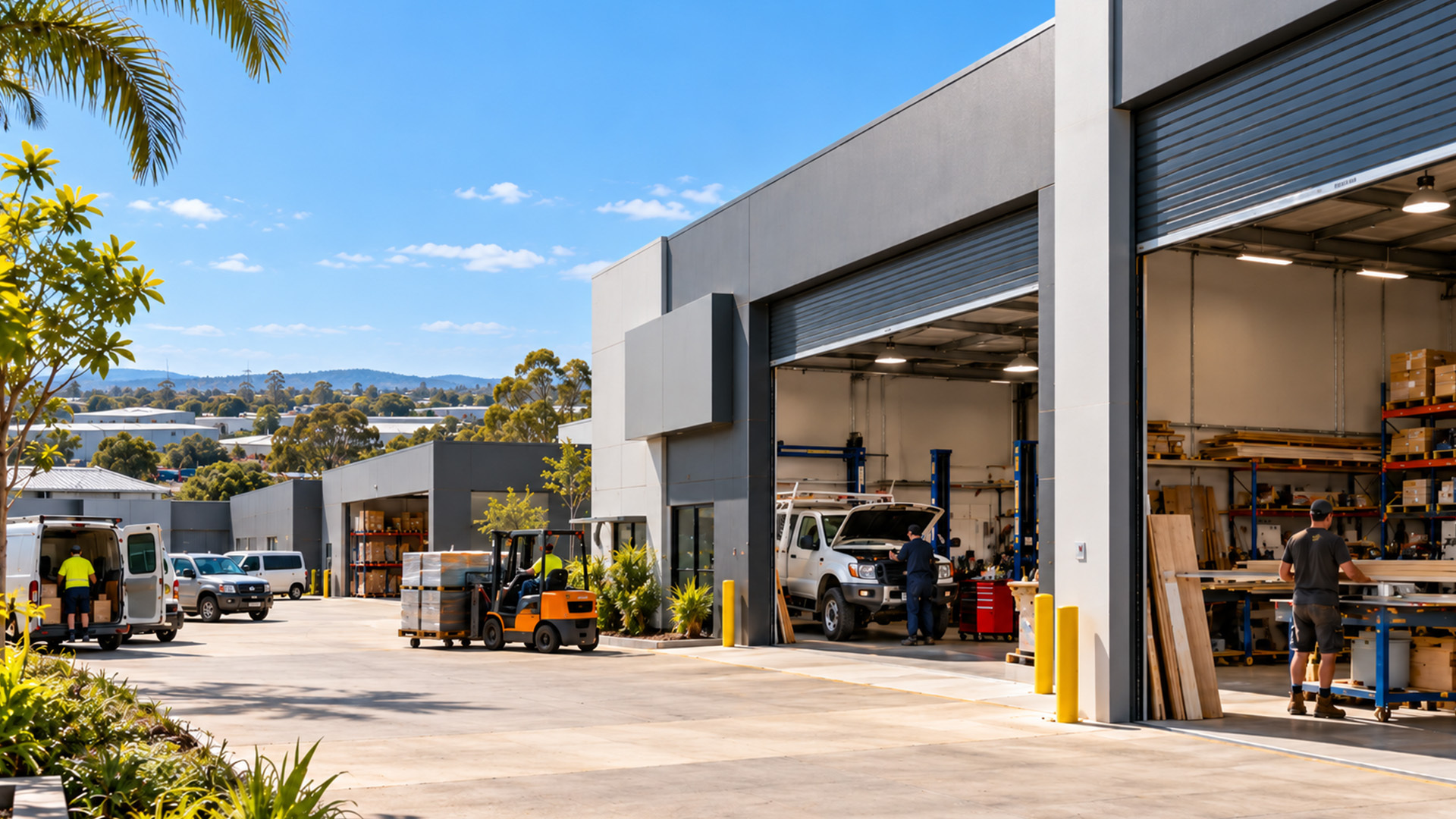
An industrial zone in Queensland allows businesses based on how much impact their activities have on the surrounding area. Low impact industry zones suit service industries, workshops, warehouses and light manufacturing, medium impact zones allow larger operations that create more noise, traffic or longer hours, and high impact and special industry zones are kept for heavy or noxious activities. The exact list of what is allowed is set by each council in its planning scheme, and some uses are accepted outright while others need council approval, so it is worth checking the specific lot before you buy or lease.
Councils name and organise their zones differently, so the same business can be treated differently from one area to the next. Brisbane City Council, for example, says its City Plan enables warehouses to operate in the Low impact industry zone and in the General industry A and General industry B zone precincts.
Many Queensland councils use zones based on the Queensland Planning Provisions, which are low impact industry, medium impact industry, high impact industry and special industry. Some councils use their own names, but the idea is the same: the more impact an activity has, the further it needs to be from homes and other sensitive uses.
A low impact industry zone is intended for service industry and low impact industry, along with other uses that support those activities. A medium impact industry zone provides for medium impact industry, which usually means bigger operations with more noise, heavy vehicles and longer operating hours. High impact and special industry zones are for the heaviest activities and are generally placed well away from residential areas.
Brisbane’s approach shows how this works in practice. Its General industry B zone precinct is intended for businesses with a low to medium impact on the surrounding area, and typical activities include manufacturing, warehousing, logistics and spray painting workshops.
It depends on the use and the property. Under Queensland’s planning system, development is either accepted, which needs no approval, or assessable, which means it is assessed by the council against a code or, for some uses, as impact assessable with public notification. The Queensland Government explains how the development assessment process works, including the different pathways.
If a business is moving into an existing unit and doing something different to the last occupant, a new approval may be needed even if the building is already there. Councils can issue a planning and development certificate for a property, which sets out its zoning and relevant approvals and is a useful document to ask for before you commit. Checking zoning and approvals on every site is part of our in house planning and approvals work, and it happens before we buy rather than after.
For most small and medium businesses, the low impact industry zone is where they end up. Typical examples are trade workshops, warehouses and storage, trade supplies, light assembly and distribution. If your activity involves heavy machinery, strong noise, dust or large trucks moving in and out all day, it may fall into medium impact territory, which narrows the choice of locations.
The label on the zone matters less than what you actually do on the premises. Two businesses that both call themselves a workshop can fall into different categories depending on the noise, emissions and traffic they create.
Sometimes, but in a limited way. Industrial zones are protected for industrial activity, and a planning scheme will usually only allow other uses if they support the industrial area rather than compete with it. Brisbane’s recent amendments, for instance, support appropriate non industrial uses in its Low impact industry and General industry A precincts where they meet specific worker needs, such as food outlets for people who work in the area.
Sensitive uses, such as housing, are generally not supported in an industrial zone. Some schemes allow a caretaker’s residence in limited cases, but you should not assume it, and it is something to confirm with the council before you plan around it.
Start by asking the council or the agent what zone the lot is in and whether your type of activity is accepted or assessable there. Check any conditions on the existing approval, such as operating hours, noise limits or restrictions on heavy vehicles. If the unit is strata titled, read the body corporate by laws as well, since they can add rules about signage and hours on top of the planning scheme.
Then think about the next five years. If your business is likely to grow into heavier or noisier work, it helps to be in a zone that can accommodate that, rather than having to move again.
We develop boutique industrial units across South East Queensland and northern New South Wales, and we select sites based on location, access and long term value. The Helm in Cleveland, for example, sits in an established industrial precinct and is designed for owner occupiers who want functional space. If you have a specific business in mind and want to know whether it suits one of our projects, get in touch with our team and we will give you a straight answer.
This article is general information only and is not legal or planning advice. Always confirm zoning and approvals with the relevant council before you buy or lease.

Interested in one of SunnyDev's properties? This is the right place.
Simply complete the form below and one of our team will be in touch to assist you with your enquiry.