A Realistic Look at the Property Development Process, From Site to Handover
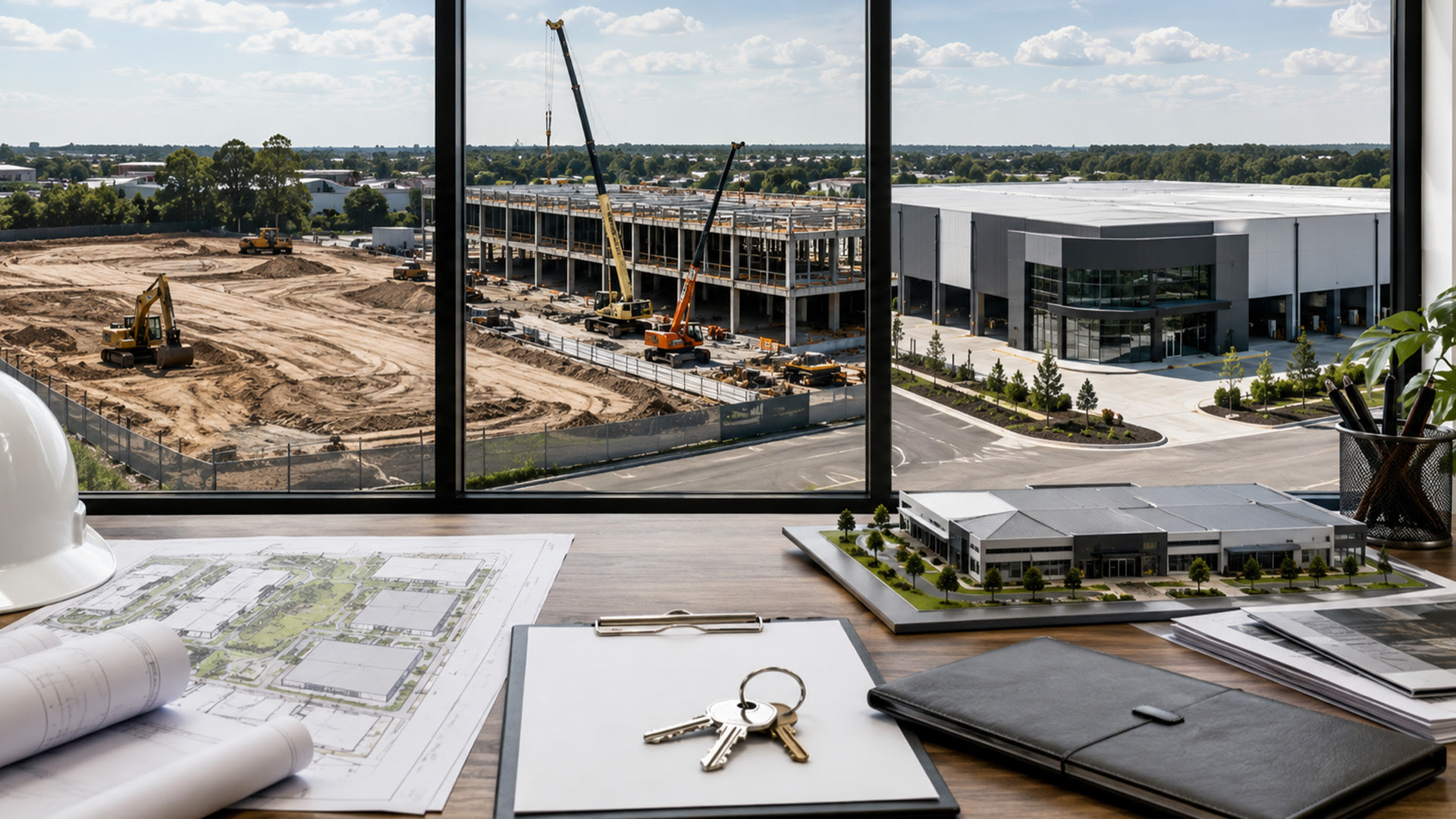
Property development can be viewed in two very different ways. There is the polished side, all render images and launch dates, and there is what actually happens behind the scenes to get a site from an empty block to a finished building. We thought it was worth walking through the real version, partly because we think people make better decisions when they understand what they are actually paying for, and partly because a lot of the delays and frustration people associate with development come down to not knowing what a realistic timeline looks like in the first place.
Every project starts with finding the right site, which sounds simple and rarely is. We look at location, access, zoning and demand before a site is even worth pursuing, in the same way we did across our current projects throughout South East Queensland and northern New South Wales, and once terms are agreed, funding needs to be locked in before anything else can move forward. This is also the stage where due diligence happens properly, title searches, contamination checks, flood mapping, easements and so on. Skipping steps here is how projects run into expensive surprises later, so it is worth taking the time to do it properly even though it can feel like the slowest part of the process from the outside.
This is usually the stage people underestimate most. In Queensland, most development applications are lodged with and assessed by the relevant local council, though some trigger state interest and go through additional referral. You can read more about how the development assessment process actually works if you want the full detail, but the short version is that approval timeframes depend heavily on the complexity of the site and whether referral agencies are involved.
Realistically, this stage can take anywhere from a few months to well over a year depending on the project. Things that extend it include heritage or environmental overlays, community objections, and requests for further information partway through assessment. We manage this stage in house rather than handing it to a third party, which does not make council move any faster, but it does mean we know exactly where an application sits at any point and can respond to information requests without a lag.
Once approvals are in place, construction is often the part that feels the most straightforward, because it is the part people can actually see progressing. Site works, slab, structure, fit out, services, and finishing all happen in a fairly predictable sequence, though weather, supply chain timing and trade availability can all shift a schedule. Having construction managed internally rather than outsourced to a separate builder means fewer handoffs between the people who designed the project and the people building it, which tends to reduce the back and forth that causes delays on jobs where those two functions sit with different companies.
Handover is not just about getting the keys. Before that happens, there are final inspections, certification, and making sure everything matches what was approved. For strata titled projects, there is also the subdivision and titling process to work through, which has its own timeframe separate to construction itself. Once a handover happens, a good developer should still be contactable if something needs attention in the following months, rather than disappearing the moment settlement is done. If you ever want to check in on a unit after handover, our team is easy to get in touch with directly.
A lot of developers manage the site acquisition and design, then hand construction to an external builder, and handle sales through a separate agency again. Every one of those handoffs is a place where information can get lost, timelines can blur, and accountability becomes harder to pin down when something goes wrong. We manage acquisition, funding, planning, construction and handover ourselves, which means there is one team across the whole project rather than several companies passing responsibility between each other.
That does not mean nothing ever goes wrong or that every project runs exactly to the day. Property development involves councils, weather, trades and materials, none of which anyone fully controls. What it does mean is that when something needs sorting, there is a direct line to the people actually doing the work, rather than a chain of subcontractors and third parties to work through first.
We currently have several projects moving through different stages of this process across South East Queensland and northern New South Wales, from sites still in planning through to units ready for handover. If you are weighing up a purchase and want a realistic sense of timing for a specific site, reach out and we can talk you through it honestly.

Interested in one of SunnyDev's properties? This is the right place.
Simply complete the form below and one of our team will be in touch to assist you with your enquiry.